
Mason’s Law: What Maryland Municipalities Need to Know About New Stormwater Inlet Requirements
Maryland municipalities have a new public safety mandate to plan for Mason’s Law, enacted as Senate Bill 189 and House Bill 34, which requires municipalities to identify open drainage inlets, prioritize needed improvements, and complete safety upgrades on a defined schedule. The law takes effect October 1, 2026, making prompt preparation important for communities that may have a significant number of qualifying structures on both public and private property.
Why Mason’s Law Matters
Mason’s Law was signed by Governor Wes Moore on May 12, 2026. The legislation honors 13-year-old Mason Kearns, who tragically died after being swept into an unsecured drainage pipe during a July 2025 flash flood in the Town of Mount Airy. The law establishes enforceable requirements intended to reduce the risk associated with open storm drainage infrastructure.
For municipalities, the legislation is more than a construction requirement. Compliance begins with understanding where open drainage inlets are located, who owns the property, what condition each inlet is in, and which locations present the greatest potential safety risk. That information then becomes the foundation for prioritization, budgeting, coordination, design, and construction of infrastructure improvements.

Key Compliance Deadlines
The law establishes a multi-year timeline that gives municipalities time to move from inventory through implementation:
- October 1, 2026 – Mason’s Law takes effect, and newly constructed open drainage inlets must meet applicable safety requirements.
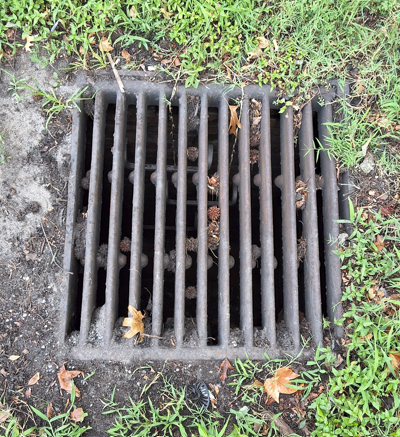
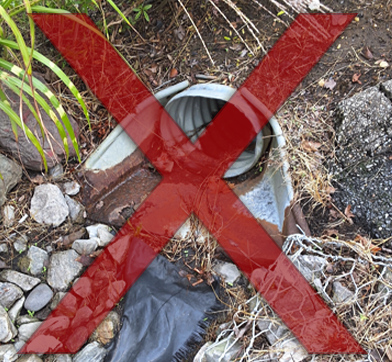
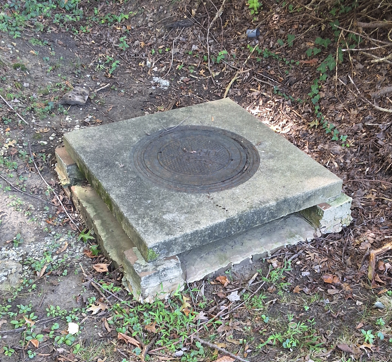
- July 1, 2027 – Municipalities must complete an inventory of publicly and privately-owned existing open drainage inlets with diameters greater than 12 inches within their boundaries.
- April 1, 2028 – Municipalities must develop a prioritization plan for improvements and address required notification to affected private property owners.
- April 1, 2031 – Required improvements to identified public and private open drainage inlets must be completed.
Because the inventory deadline arrives less than a year after the law’s effective date, municipalities can benefit from establishing an organized data collection process early. Field inspection, condition assessment, property and right-of-way research, and consistent documentation can help turn the inventory into a practical tool for later decision-making rather than simply a compliance list.
Funding Can Help Offset Local Costs
The legislation also provides a funding pathway. In each of fiscal years 2029 through 2031, $250,000 from Maryland’s Comprehensive Flood Management Grant Program is to be used as matching funds to assist municipalities with eligible costs. Municipalities are responsible for installation costs for improvements to publicly and privately-owned existing drainage inlets, but may apply to the Maryland Department of the Environment program to cost-share a portion of those costs.
That makes the prioritization period especially important. Developing reliable cost estimates, identifying the highest-risk locations, and preparing projects in a grant-ready manner can position municipalities to pursue available assistance while keeping long-term capital planning in view.
Turning Compliance into an Action Plan
A successful Mason’s Law program will require coordination across planning, engineering, public works, property owners, funding, and construction. Barton & Loguidice can support municipalities throughout that process, including public outreach and educational materials, private property and right-of-way coordination, mobile inventory tools, field inspections and condition assessments, risk-based prioritization, grant funding support, retrofit inlet engineering, construction management, and Owner’s Representative services.
With the first major deadline approaching in July 2027, now is the time for municipalities to determine how they will collect data, evaluate risk, coordinate with private owners, and build a realistic path toward the 2031 improvement deadline. A thoughtful approach at the inventory stage can make every step that follows more efficient, defensible, and focused on the law’s central purpose: improving public safety.
For more information regarding our services relating to Mason’s Law, please contact David Pielmeier or Annika Leiby.