


Building Resilient Communities: Emerging Technologies For Emergency Services Facilities
Listen here!
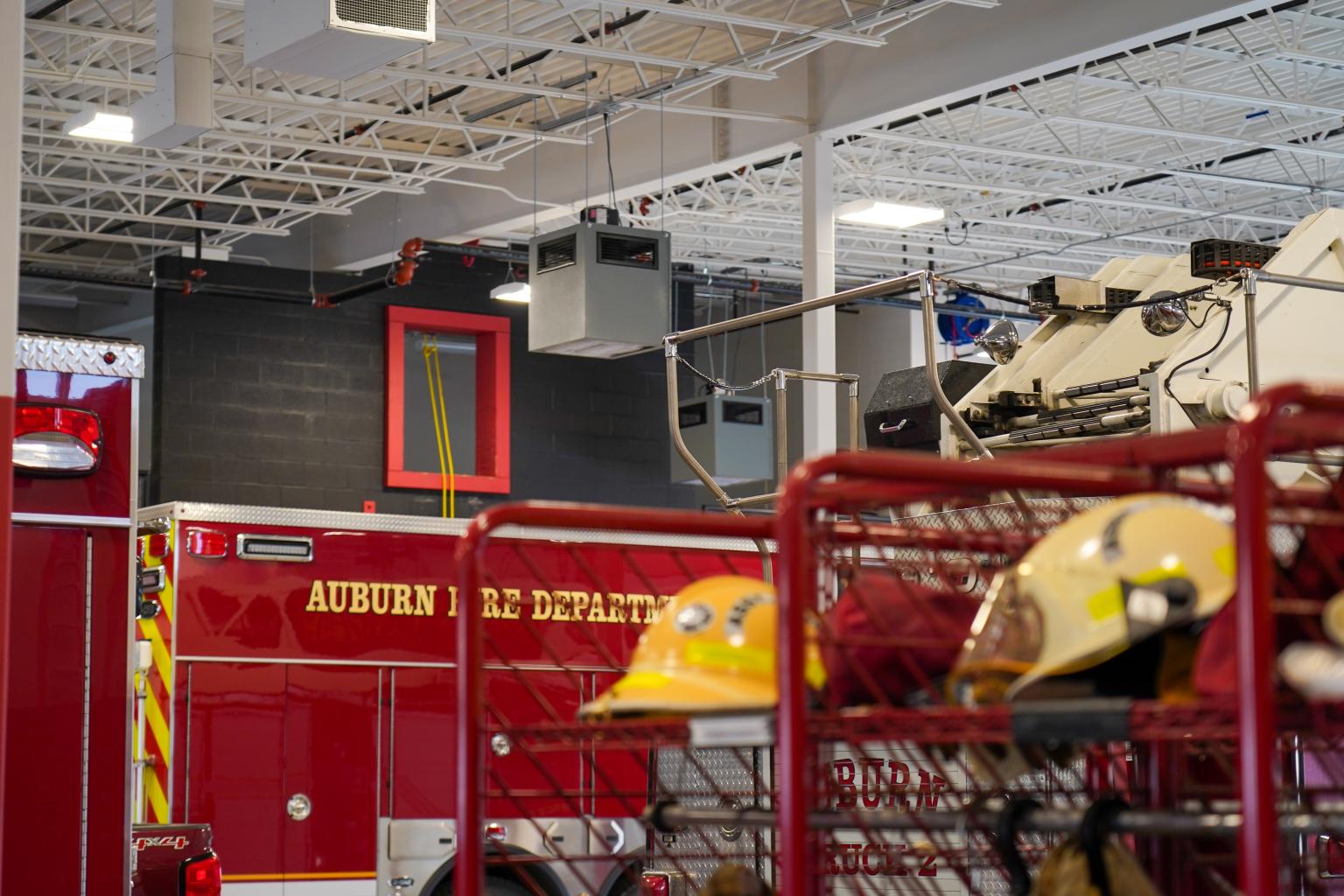
Each October, National Fire Prevention Week reminds us that keeping communities safe requires not just prevention but also strong, resilient infrastructure. For emergency responders, such as firefighters, police officers, and paramedics, the facilities they work and train in are essential for effective response. As technology evolves, so too must the fire stations and emergency call centers that serve as lifelines for public safety.
Emergency Technology and Design in Fire Stations and Call Centers
Modern fire stations and call centers are being designed with technology integration at their core.
Fire Stations:
- Drones & Robotics provide rapid site assessments and handle dangerous tasks, reducing firefighter exposure to risk.
- Wearable Biometrics monitors firefighters’ vital signs in real time, helping to prevent injuries and fatalities.
- AI-Driven Detection & Analysis enhances situational awareness and improves deployment strategies.
- AR Helmets overlay critical data into a firefighter’s field of view, improving navigation in low-visibility environments.
Emergency Call Centers:
With call volumes increasing every year, public safety answering points (PSAPs) are under pressure. The Automated Secure Alarm Protocol (ASAP) is helping alleviate that by transmitting alarm data directly into dispatch systems, saving 2–3 minutes per call and reducing workloads for dispatchers. At the same time, the transition to Next Generation 911 (NG911) is enabling text, images, and video to flow directly into call centers, giving dispatchers situational awareness before responders even arrive.
By embedding these technologies into facility design, we create buildings that function as command centers for safety.
Training and Onboarding Complexities
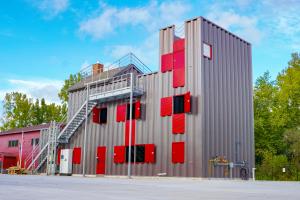
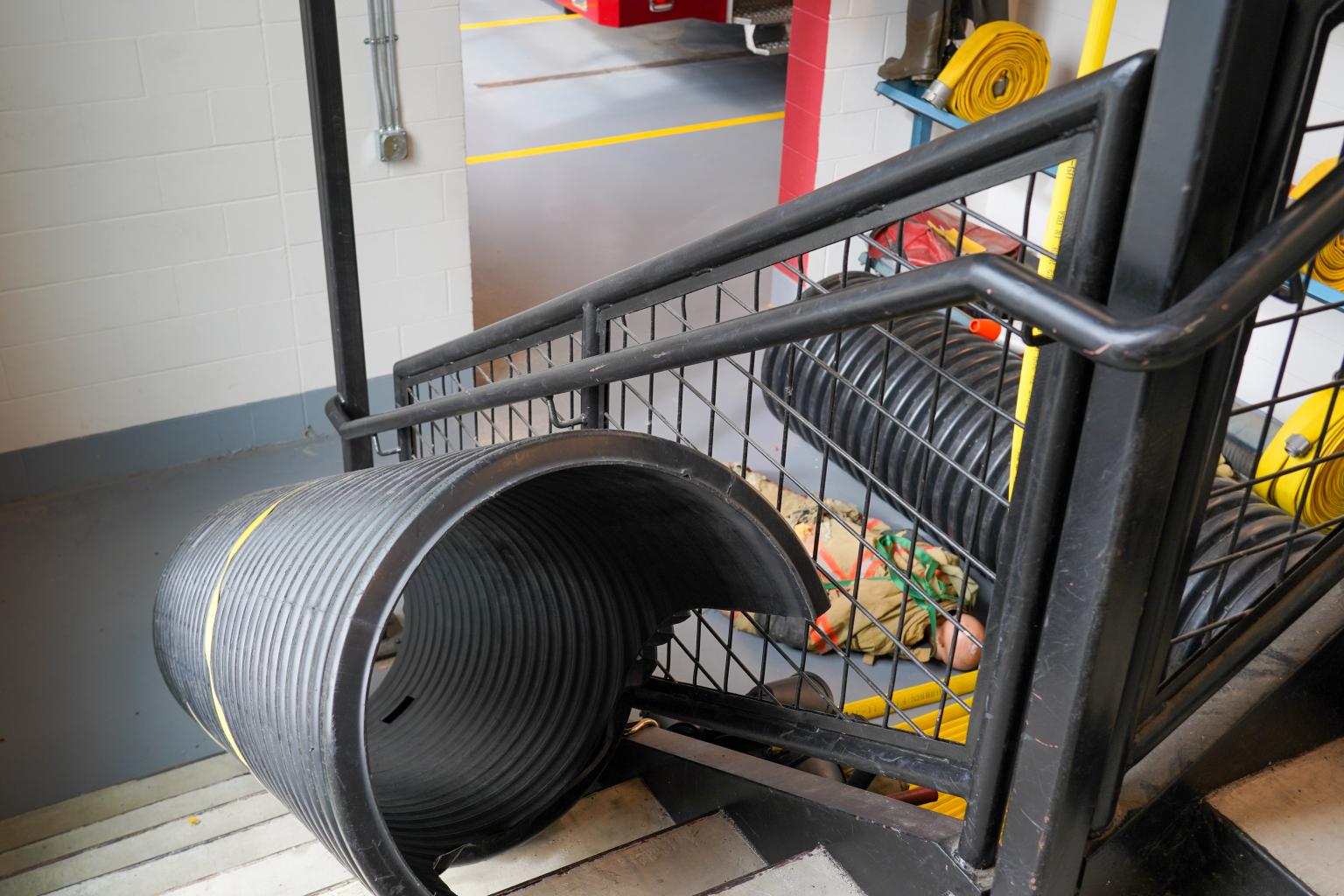
With cutting-edge technology comes the challenge of training and onboarding. Emergency responders must learn to operate new systems while continuing their core mission of protecting communities. Facilities, therefore, need to be designed with integrated flexible training spaces, simulation labs, and realistic environments that prepare responders for the field and adapt as technologies evolve.
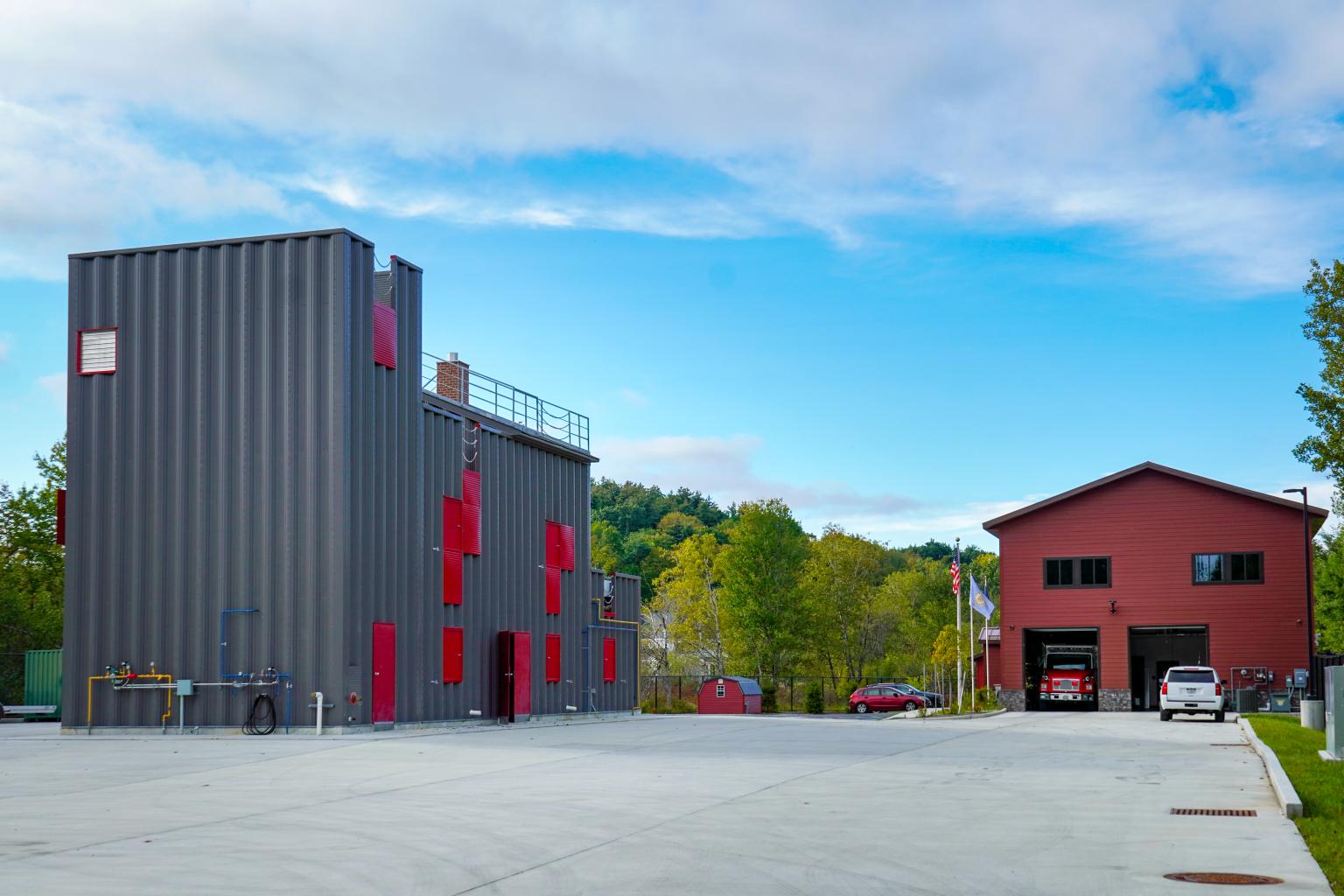
A strong example is the Rensselaer County Emergency Operations Training Facility, where B&L provided environmental, architectural, and engineering services. The project replaced an outdated structure with a new 6,200-square-foot operations center, classroom facility, and fire training tower with live burn rooms. By incorporating a water reclaim system, modern HVAC, and other resilient infrastructure, the facility not only enhances the training experience but also ensures responders can safely and effectively practice in real-world conditions.
Funding the Future of Safety
Emerging technology requires investment, and there are some federal and state funding available. For example, New York State recently announced $85 million in grant funding to upgrade 911 systems across the state. At the federal level, billions more are being proposed through legislation such as the Next Generation 911 Act of 2023 and the Spectrum Auction Reauthorization Act of 2023.
Navigating these opportunities can be complex, but municipalities and service providers that pursue them will be better positioned to modernize outdated facilities and systems. Many find value in partnering with grant writers to secure these competitive funds and move critical projects forward.
How B&L Supports Emergency Services
At Barton & Loguidice, we understand that facilities for emergency services are not just buildings; they are lifelines. Our architecture and interior design team has extensive experience designing and renovating fire stations, EMS hubs, and emergency call centers that incorporate:
- Resilient and energy-efficient building systems.
- Flexible spaces that accommodate evolving technologies.
- Designs that prioritize the health and safety of responders and the communities they serve.
By combining technical expertise with a deep commitment to public safety, we help agencies plan, fund, and deliver facilities that stand ready to meet today’s challenges and tomorrow’s.
Interested in upgrading your facility? Contact our architecture leader, Tim Bivens,AIA, for more information.
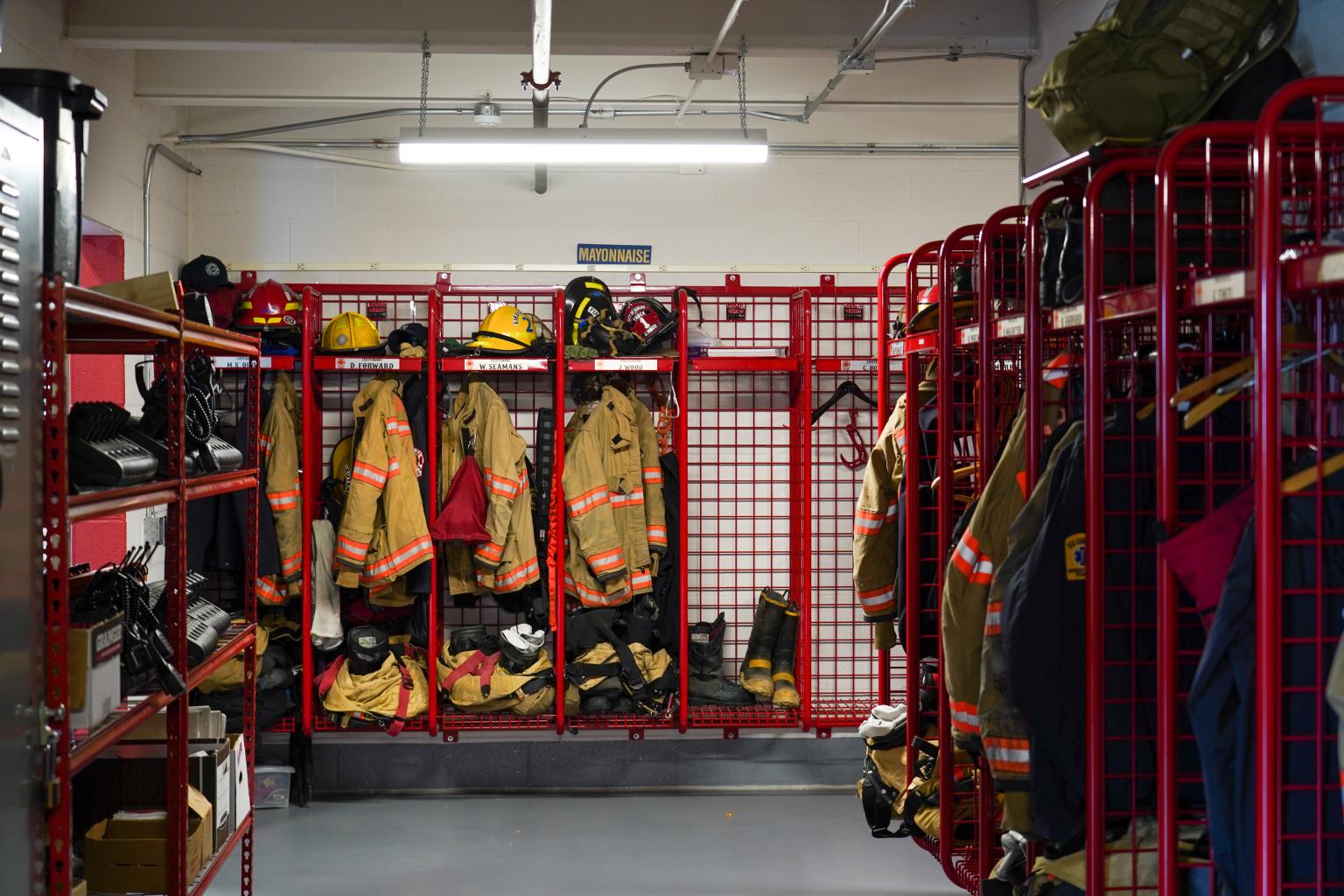
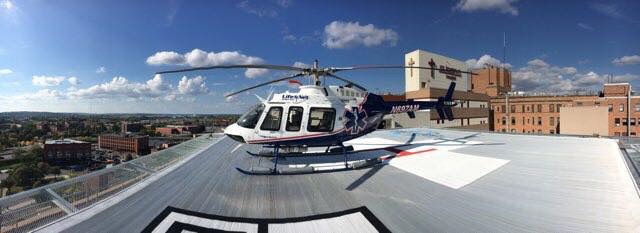
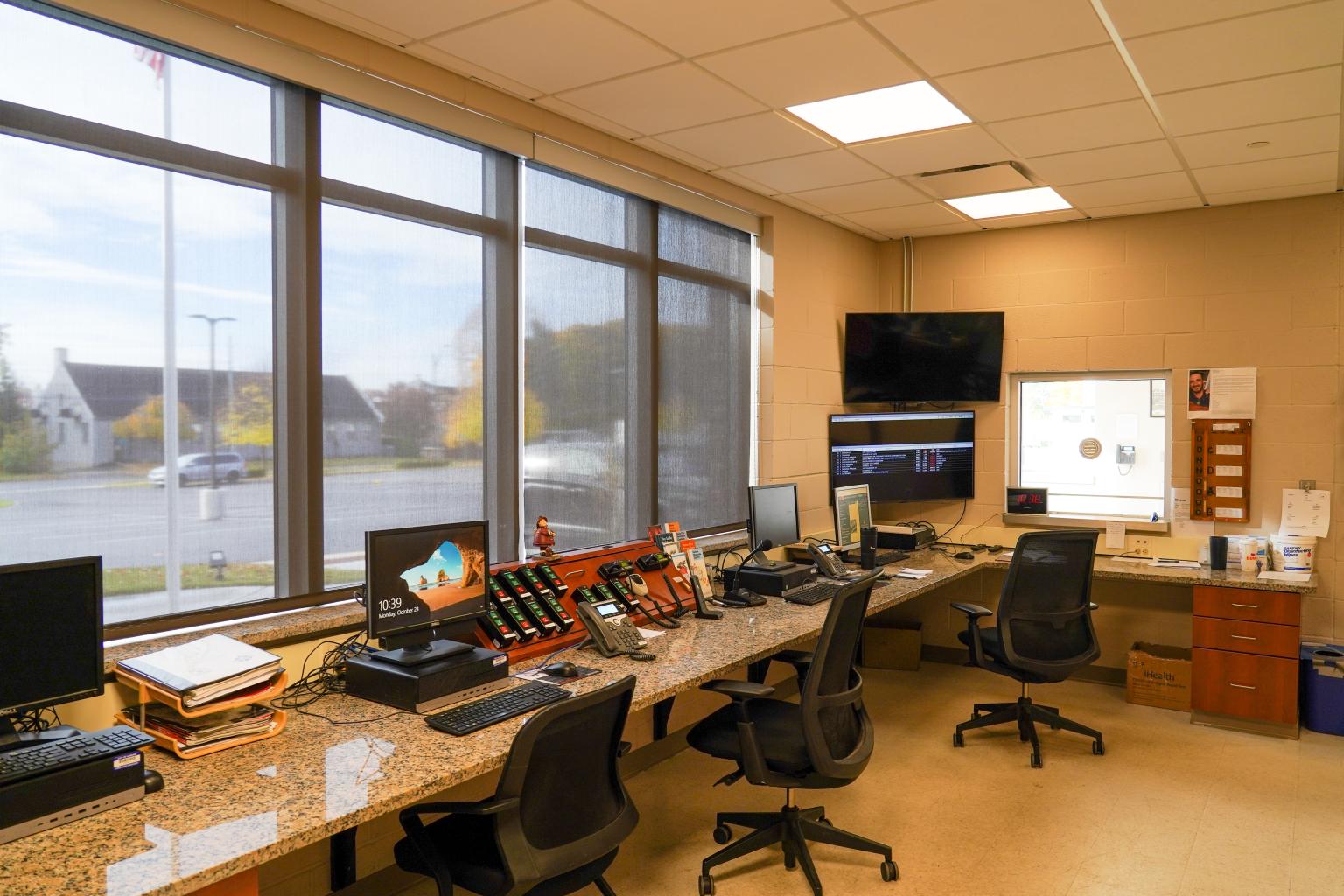
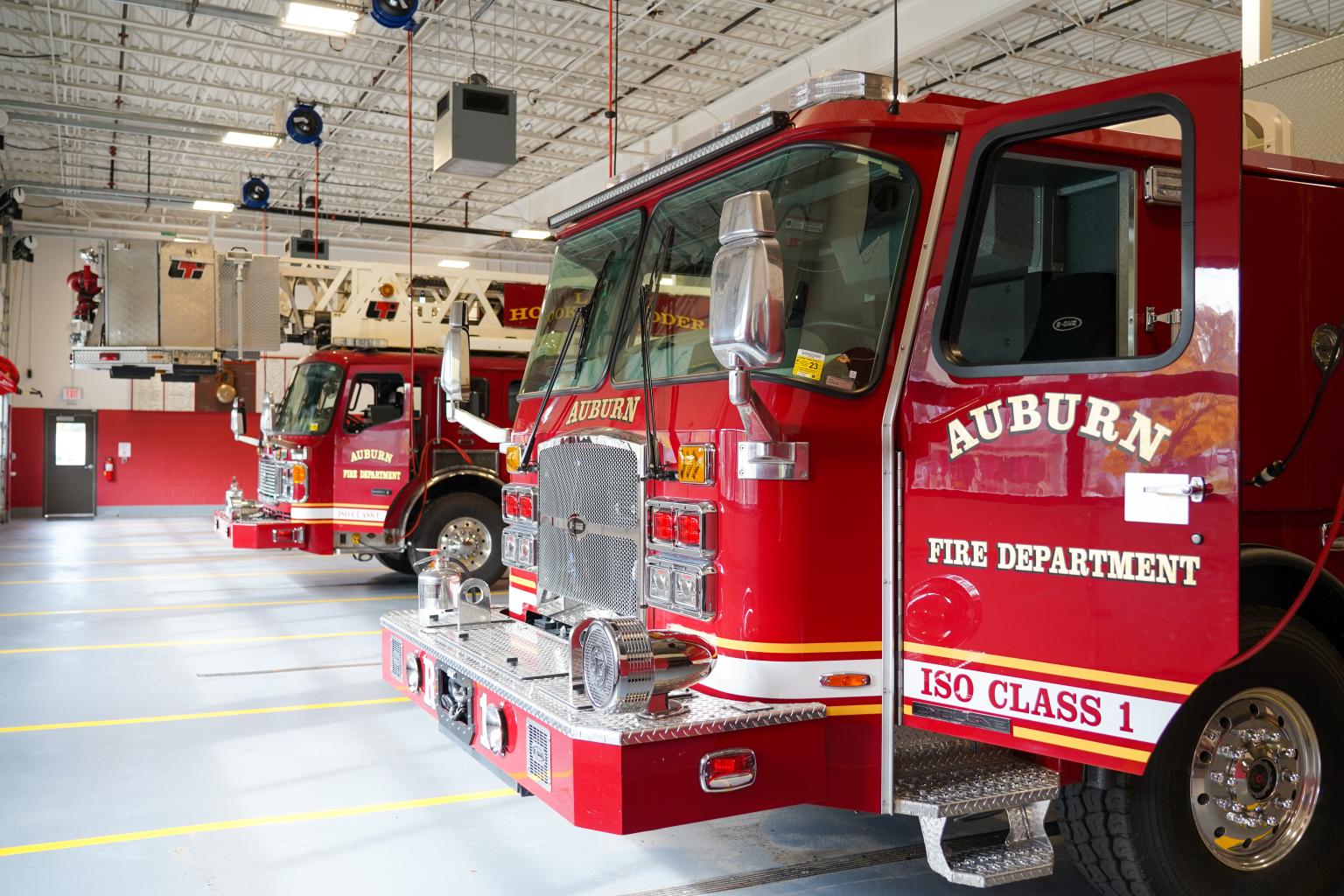
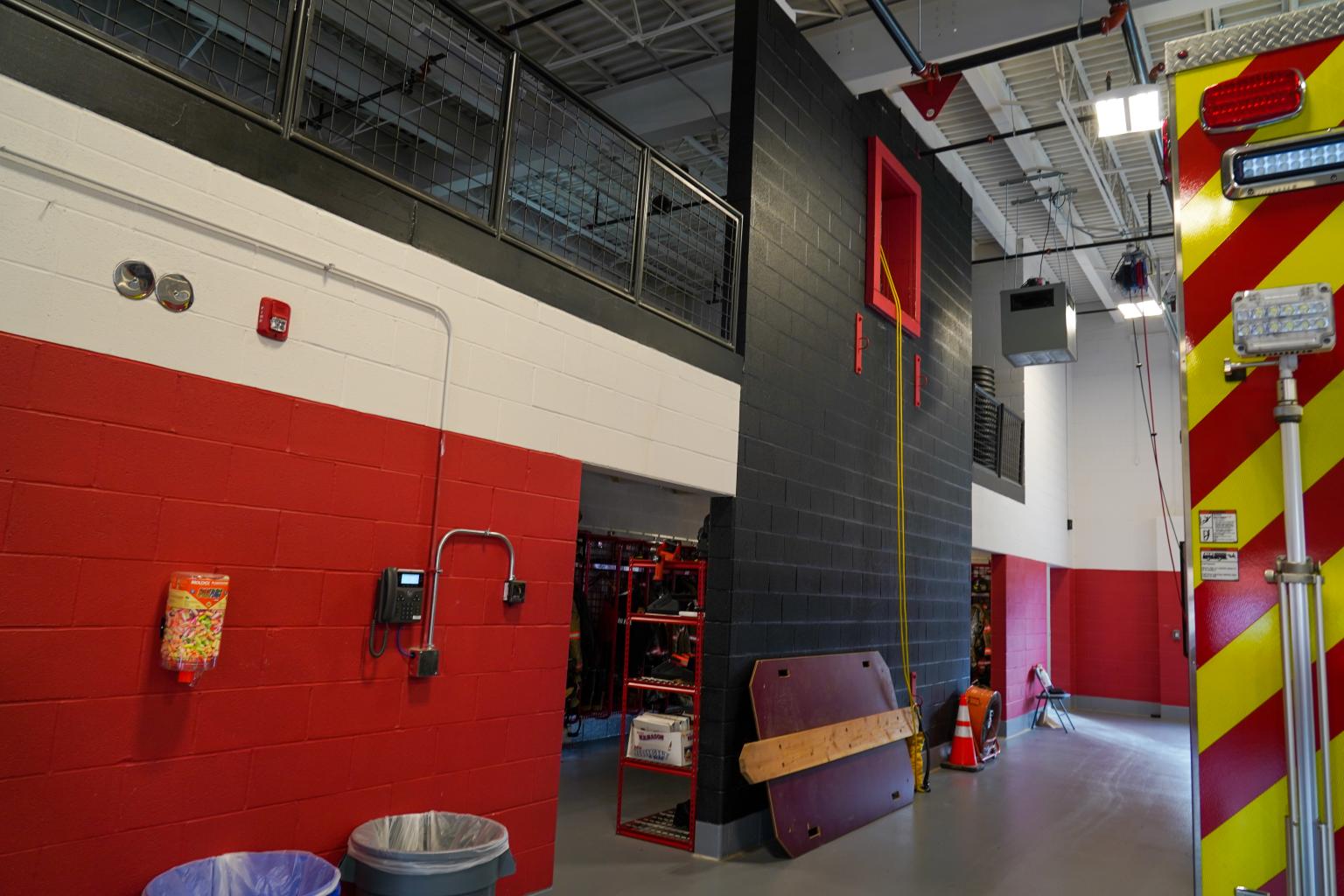
Auburn Fire Department
St. Joseph's Hospital Helicopter Landing Pad
Auburn Fire Department
Auburn Fire Department
OCWA Fire Hydrant Maintenance and Inspection Program
Auburn Fire Department
Rensselaer County Fire Training Facility
Auburn Fire Department
Auburn Fire Department